2026 UM/UIM Reforms: What California Rideshare Drivers Must Do
2026 UM/UIM reforms reshape California rideshare insurance. Close the Period 1 gap, pick the right endorsement, and use a free check.
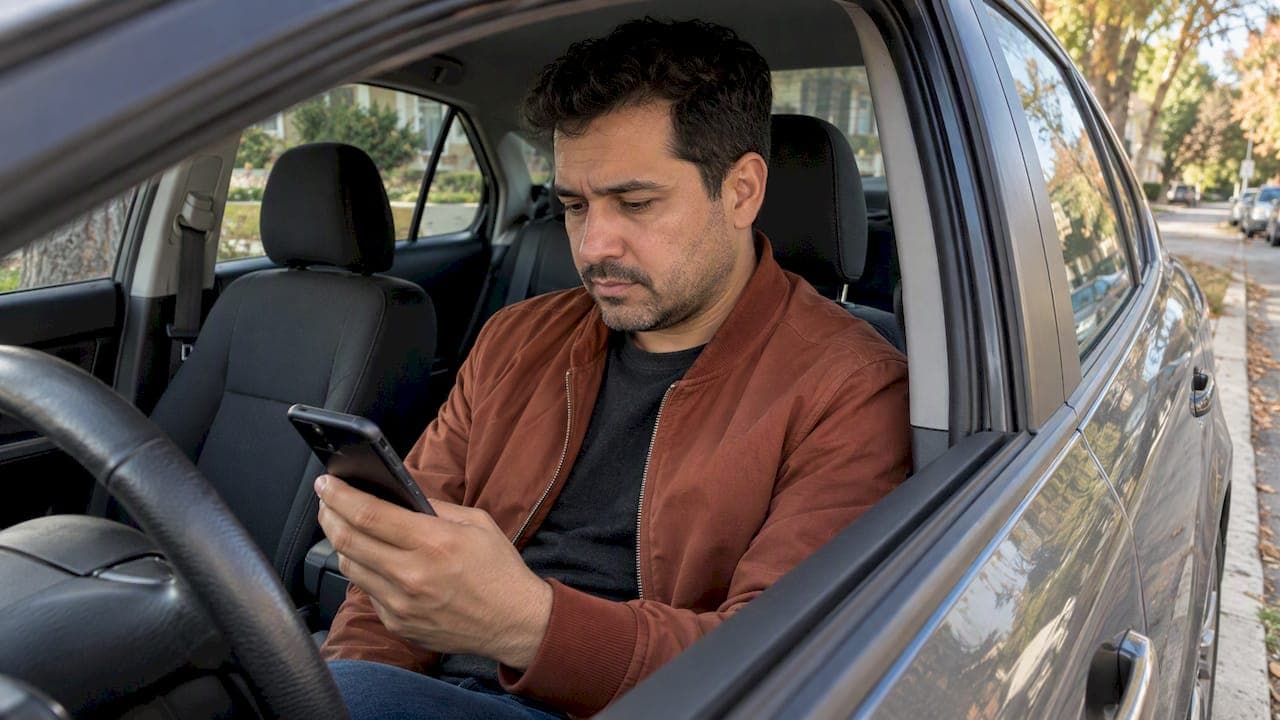

The single biggest risk for California rideshare drivers right now is the gap between what a personal auto policy covers and what applies while the app is on. Fix it by disclosing rideshare work to your insurer and confirming a rideshare endorsement or adequate uninsured/underinsured motorist (UM/UIM) coverage, since 2026 reforms changed how much UM/UIM protection applies during passenger trips. The TNC’s commercial policy generally takes over once a ride is accepted, but Period 1, when the app is on and you’re waiting for a match, is where most drivers are exposed.
TL;DR:
- Rideshare drivers must disclose work to insurers and confirm coverage for Period 1 to avoid gaps when the app is on but no trip is accepted.
- California law now requires high liability limits once a trip is accepted and has introduced reforms to UM/UIM protection effective in 2026, affecting uninsured driver claims.
- Most personal policies contain a livery exclusion and contingent collision deductibles, which endorsements or full commercial policies can fix before accidents occur.
- The cost of endorsements varies with vehicle type, driving frequency, and ZIP code, making multiple quotes and explicit coverage questions essential when shopping.
- After an accident, documented evidence such as trip status screenshots, scene photos, and prompt reporting protect drivers’ claims, especially during the critical Period 1 phase.
Table of Contents
- The three rideshare coverage periods and who is primary for each
- California law and recent reforms affecting rideshare insurance
- Common coverage gaps and how endorsements fix them
- How much rideshare insurance costs in California and practical shopping tips
- What to do after an accident while driving for a rideshare
- Practical coverage checklist: policy features to confirm or buy today
- How CaseClosedFL helps injured rideshare drivers
- Common mistakes and habits that hold up over time
- Free eligibility check: a next step after a serious rideshare accident
- FAQ
- Sources
The three rideshare coverage periods and who is primary for each
Every rideshare trip moves through a sequence that insurers and regulators refer to as coverage periods. Knowing which period you’re in at the moment of a crash determines who pays first, and the differences are significant enough to change the outcome of a claim entirely.
Period 0 is the app off. You’re driving your own car for personal reasons, and your personal auto policy is the only coverage in play. Standard liability, collision, and comprehensive apply exactly as they would for any other trip to the grocery store.
Period 1 begins the moment you turn the app on and start waiting for a ride request. This is the gray zone. Most personal auto policies exclude coverage once you’re logged into a rideshare app, because the car is technically being used for commercial purposes. TNCs provide contingent liability coverage during this period, but it only kicks in if your personal insurer denies the claim, and the limits are lower than what applies once a trip is accepted.
Period 2 starts when you accept a ride request and begin driving to pick up the passenger. Period 3 covers the time the passenger is actually in the car until drop-off. During both periods, the TNC’s commercial insurance is primary, with much higher liability limits and contingent collision and comprehensive coverage for the driver’s vehicle.
According to Lyft’s driver insurance resource, contingent collision and comprehensive coverage applies once the app is on, subject to a deductible, and the specific protections available can vary depending on the state and the driver’s own policy. That contingent structure is the reason Period 1 catches so many drivers off guard: it exists, but it’s thinner and conditional compared to the coverage that applies once a trip is underway.
A few patterns show up repeatedly in how these periods play out:
- In Period 0, a crash is handled entirely through your personal policy, with no TNC involvement.
- In Period 1, if your personal insurer denies the claim because you were logged into a rideshare app, the TNC’s contingent liability coverage may apply, but usually at reduced limits.
- In Period 2 and Period 3, the TNC’s commercial liability coverage is primary, and contingent collision or comprehensive coverage for your vehicle typically applies subject to a deductible.
- Drivers without a rideshare endorsement often discover the Period 1 gap only after a denied claim, not before.
The TNC’s contingent coverage structure means Period 1 claims often require proof from your own insurer of denial before the platform’s backstop applies, which can delay resolution. This is why insurance regulators and consumer advocates consistently point to Period 1 as the period drivers most need to address proactively, rather than assuming the app’s coverage will simply take over.
California law and recent reforms affecting rideshare insurance
California requires transportation network companies to maintain specific insurance coverage for drivers while they are logged into the app, with the highest liability limits applying once a trip is accepted and a passenger is being transported. These requirements exist because personal auto policies were never built to cover commercial passenger transport, and the state’s framework fills that structural gap.
The more significant development for 2026 involves changes to uninsured and underinsured motorist coverage during rideshare trips. Recent reforms, often discussed under SB 371, adjusted how UM/UIM protection applies when a rideshare driver is hurt by another motorist who carries little or no insurance. The practical effect is that drivers can no longer assume the TNC’s policy automatically closes every gap if they’re hit by an uninsured driver while carrying a passenger. Depending on the specifics of the trip and the at-fault driver’s coverage, a rideshare driver’s own UM/UIM limits may end up doing more work than expected.

This matters because California has one of the highest rates of uninsured motorists in the country relative to other states, which makes UM/UIM coverage one of the more consequential decisions a rideshare driver makes, not an afterthought. A driver who assumes the TNC’s policy is a complete safety net may find themselves underinsured against the very risk the reform was meant to address: another driver with inadequate coverage.
To verify current protections, drivers should:
- Request a current certificate of insurance directly from Uber or Lyft, which outlines the specific limits and periods of coverage in effect.
- Review guidance from the California Department of Insurance on transportation network company requirements and driver obligations.
- Consult the NAIC’s consumer guidance on sharing-economy insurance, which explains how these policies typically interact with personal coverage.
- Ask a licensed agent to confirm how UM/UIM limits apply specifically during Period 2 and Period 3 trips under the driver’s own policy.
Certificates of insurance change periodically as regulations evolve, so a document that was accurate last year may not reflect the current limits. Checking directly with the platform and a licensed agent remains the most reliable way to confirm what applies today.
Common coverage gaps and how endorsements fix them
Most personal auto policies contain a livery exclusion, language that voids coverage when a vehicle is used to transport passengers for a fee. This clause is the reason a standard policy often won’t pay out for a rideshare-related crash, even during Period 0, if the insurer later discovers the driver was doing rideshare work and didn’t disclose it. Insurers can deny a claim or cancel a policy retroactively if they determine a driver misrepresented how the vehicle was being used.
The second major gap involves contingent collision deductibles. Even when the TNC’s contingent coverage applies, drivers are usually responsible for a deductible before the insurer pays for vehicle repairs, and that amount is set by the platform’s policy, not negotiable the way a personal policy deductible might be. A driver who assumes “the app covers it” can still face a repair bill running into four figures.
Three main options exist to close these gaps:
- A rideshare endorsement added to an existing personal policy, which extends liability and sometimes collision coverage into Period 1, closing the gap between trips.
- A pay-per-day or usage-based endorsement, suited to part-time drivers who want protection only on the days they actually drive for a TNC.
- A full commercial policy, which makes sense for drivers who log significant hours or also use the vehicle for other paid transport work beyond rideshare.
Pro Tip: Call your insurer before your next policy renewal and tell them explicitly that you drive for a rideshare platform. Disclosure at renewal is far less likely to trigger a retroactive denial than disclosure after a claim.
The Insurance Information Institute’s Q&A on ride-sharing notes that drivers who fail to tell their insurer about rideshare work risk having claims denied, since the insurer priced the policy without knowing the vehicle was used commercially. Disclosure isn’t just a formality: it’s the mechanism that keeps the rest of the policy valid.
How much rideshare insurance costs in California and practical shopping tips
Several factors drive the cost of a rideshare endorsement or commercial policy: the vehicle’s make and model, the driver’s record, how many hours or miles are logged while the app is on, the ZIP code where the vehicle is garaged, and which specific coverages are added. A driver in a dense urban ZIP code with a clean record and a modest sedan will typically pay less than one in a high-claims area driving a more expensive vehicle.
Rideshare endorsements tend to come in a few recognizable shapes. A pay-per-day endorsement charges only for the days the app is actually on, which fits occasional or part-time drivers well. A monthly endorsement adds a flat charge to the existing policy regardless of how many days are worked, suited to drivers with consistent weekly hours. A full commercial policy replaces the personal policy altogether and fits drivers who treat rideshare as a primary source of income or who also do delivery or other paid transport work.
When shopping for coverage, a few questions separate a genuinely protective policy from one that looks adequate on paper:
- Ask directly whether the endorsement covers Period 1, not just Periods 2 and 3, since this is where personal policies most often fall short.
- Ask about the deductible that applies to contingent collision coverage and whether a lower deductible is available as an add-on.
- Ask whether bundling the rideshare endorsement with homeowners or renters insurance reduces the overall premium.
- For part-time driving, compare a pay-per-day product against a monthly endorsement to see which actually costs less given your real driving schedule.
Rideshare endorsement pricing and availability vary by ZIP code, driver history, and the specific coverage shape chosen, which means two California drivers with similar vehicles can see meaningfully different quotes for the same protection. Getting at least two or three quotes that explicitly address Period 1 coverage is the most reliable way to compare options rather than relying on advertised starting prices.
What to do after an accident while driving for a rideshare
The actions a driver takes in the minutes and days after a rideshare accident often determine how smoothly the claim gets resolved.
- Check for injuries and call 911 if anyone is hurt or if the vehicles need to be moved out of traffic; safety comes before any paperwork.
- Exchange information with the other driver, including license, insurance, and vehicle details, and note the exact time.
- Photograph the scene thoroughly: vehicle damage from multiple angles, license plates, road conditions, and any visible injuries.
- Collect witness information from anyone who saw the crash, since independent accounts matter if fault is disputed later.
- Screenshot your trip status in the rideshare app at the time of the crash, showing whether you were waiting for a match, en route to pick up a passenger, or mid-trip. This single piece of evidence often determines which coverage period applies.
- Report the accident to the TNC through the app’s safety reporting feature as soon as possible, describing the trip status accurately.
- Notify your personal insurer, even if you believe the TNC’s policy will be primary, since failing to report can complicate coverage later.
- Seek medical attention promptly, even for injuries that seem minor at first, since some symptoms take days to appear and delayed treatment can weaken a claim.
- Consider a legal intake if the injury is serious or fault is disputed, particularly if the other driver appears uninsured or underinsured.
Each step builds a record that protects the driver if the claim becomes contested, which is common when coverage periods and liability are both in question.
Practical coverage checklist: policy features to confirm or buy today
A short conversation with an agent, armed with the right questions, can close most of the gaps described above before they ever become a claim dispute.
- Confirm your UM/UIM limits specifically apply during rideshare trips, not just personal driving, given the 2026 changes to how this coverage interacts with TNC policies.
- Verify your liability limits meet or exceed California’s requirements for rideshare use, not just the state’s general auto minimums.
- Ask whether your policy includes collision and comprehensive coverage that extends into Period 1, and what deductible applies.
- Request endorsement language that explicitly states there is no livery exclusion for TNC driving, in writing.
- Confirm the endorsement or commercial policy is active before you start a shift, not pending approval.
Keep a copy of your current certificate of insurance and your endorsement declaration page in the vehicle, either printed or saved on your phone, along with the TNC’s contact information for insurance claims. Having these on hand speeds up every step of the process described above if an accident occurs.
How CaseClosedFL helps injured rideshare drivers
When a rideshare accident results in a serious injury or a dispute over fault, figuring out which policy applies can be as complicated as the injury itself. A free eligibility check gathers the details of the accident, including the injury, who appears to be at fault, and whether the driver already has legal representation, before asking for any personal contact information.
Submissions go through human review before being referred to an attorney, which is meant to keep the process accurate rather than automated end to end.
This kind of intake fits drivers dealing with a serious injury, a disputed fault determination, or a crash involving an uninsured or underinsured motorist, exactly the scenario the 2026 UM/UIM reforms are meant to address. This service does not provide legal advice and does not guarantee contact by an attorney, but the upfront screening is designed to limit unwanted solicitation and protect privacy until a case meets intake criteria.
Common mistakes and habits that hold up over time
The most frequent mistake I see is drivers assuming a rideshare platform’s insurance makes their personal policy irrelevant. It doesn’t, and the gap shows up exactly when it matters least conveniently, during Period 1 or in a UM/UIM dispute after being hit by an underinsured driver.
The second mistake is treating disclosure as optional. Insurers can and do deny claims when they discover undisclosed rideshare use, and that denial can happen years into a policy, not just at the moment of a crash.
The drivers who avoid these problems share a few habits: they review their policy annually rather than assuming it hasn’t changed, they keep their certificate of insurance and endorsement paperwork in the car, and they choose UM/UIM limits deliberately rather than accepting whatever the agent defaults to. They also check for regulatory updates like the 2026 UM/UIM changes instead of assuming the rules they learned when they started driving still apply.
— Luis
Free eligibility check: a next step after a serious rideshare accident
If you’ve been seriously injured in a rideshare accident in California and you’re not sure where you stand, a free eligibility check is a way to find out without committing to anything upfront.
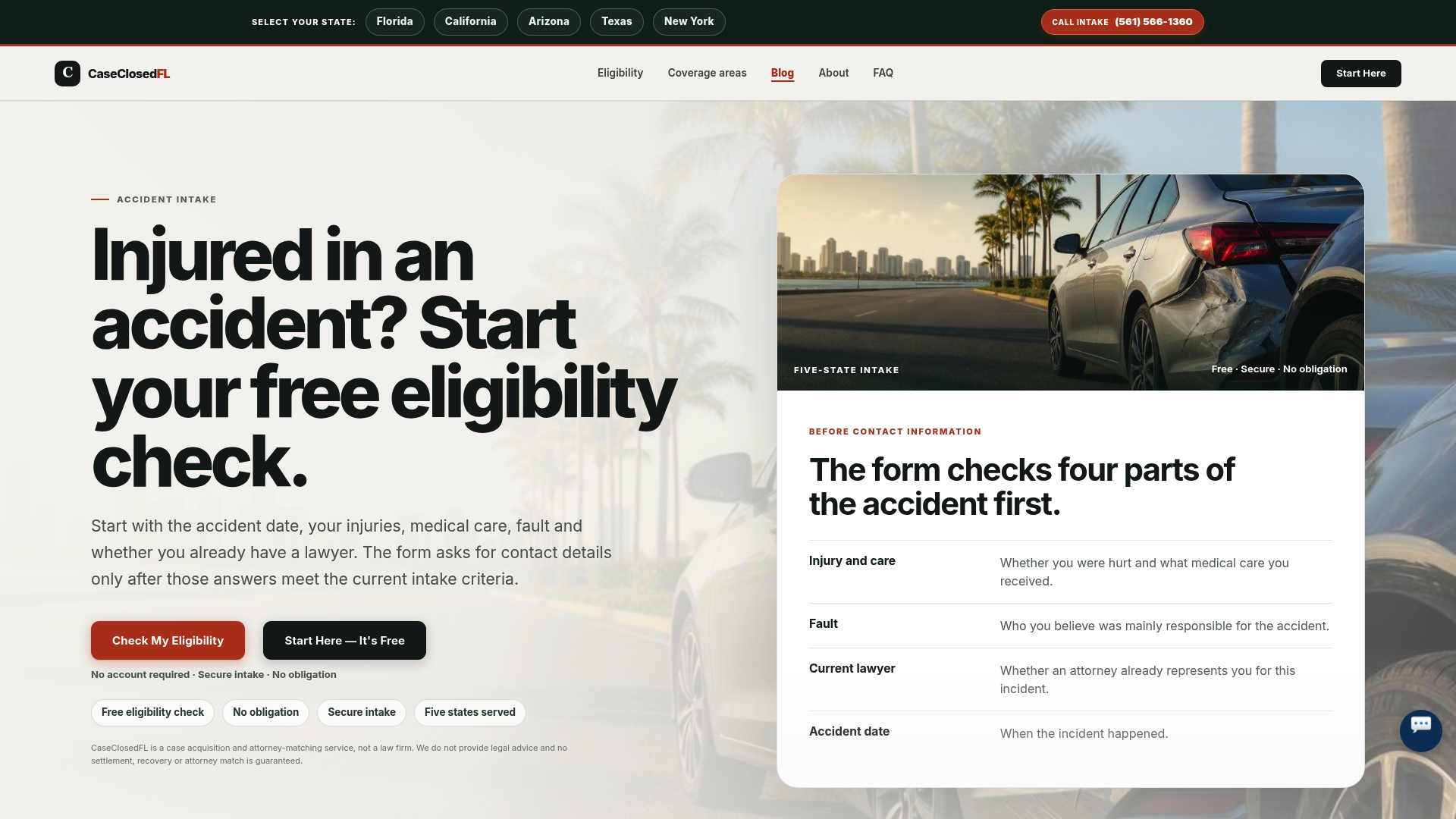
The process gathers the facts of your accident, including your injury, who appears to be at fault, and whether you already have an attorney, before asking for any contact information. Every submission goes through human review before being referred to a participating attorney, which keeps the process from feeling like just another lead form.
- Use it after a crash involving a serious injury, disputed fault, or an uninsured or underinsured driver.
- The intake protects your privacy by requesting contact details only after your case meets the criteria.
- There’s no cost and no obligation to move forward if you decide not to.
Start the free eligibility check to see whether your case qualifies for a referral to an attorney.
This article is general information, not a substitute for advice from a qualified financial advisor. Consult a qualified financial professional about your own circumstances before acting on anything here.
FAQ
Can I buy just rideshare insurance on its own?
No, rideshare insurance is typically sold as an endorsement added to an existing personal auto policy rather than as a standalone product. A full commercial policy is the closest thing to a standalone option, and it fits drivers who log substantial hours or also do other paid transport work.
Does AAA offer rideshare insurance in California?
Carrier availability for rideshare endorsements varies by insurer and changes over time, so the most reliable way to confirm current options is to ask a AAA agent directly about rideshare endorsement availability in your area. Checking directly also lets you confirm whether the endorsement covers Period 1, which is the detail that matters most.
Which insurance is good for rideshare driving in California?
The right choice depends on how often you drive: a pay-per-day endorsement suits occasional drivers, a monthly endorsement fits consistent part-time schedules, and a full commercial policy suits drivers who rely on rideshare as a primary income source. Whichever option you choose, confirm it explicitly covers Period 1 and does not contain a livery exclusion.
Does Geico cover rideshare driving in California?
Insurer offerings change over time, so the most accurate way to find out is to ask Geico directly whether it offers a rideshare endorsement in California and what periods it covers. Confirming this directly also avoids relying on outdated information, since endorsement availability shifts as insurers adjust their products.
What is the biggest insurance mistake rideshare drivers make?
The most common mistake is not disclosing rideshare work to a personal auto insurer, which can lead to a denied claim or a canceled policy after an accident. The Insurance Information Institute notes that disclosure is essential because insurers price personal policies without accounting for commercial passenger use.
Sources
For statutory detail and current requirements, consult the California Department of Insurance’s guidance on transportation network companies. TNC certificates of insurance from Uber and Lyft show exact limits by coverage period, and the NAIC and Insurance Information Institute publish neutral explainers on how these policies typically work.
Frequently asked questions
Table of Contents The three rideshare coverage periods and who is primary for each California law and recent reforms affecting rideshare insurance Common coverage gaps and how endorsements fix them How much rideshare insurance costs in California and practical shopping tips What to do after an accident while driving for a rideshare Practical coverage checklist: policy features to confirm or buy today How CaseClosedFL helps injured rideshare drivers Common mistakes and habits that hold up over time Free eligibility check: a next step after a serious rideshare accident FAQ Sources The three rideshare coverage periods and who is primary for each Every rideshare trip moves through a sequence that insurers and regulators refer to as coverage periods. Knowing which period you’re in at the moment of a crash determines who pays first, and the differences are significant enough to change the outcome of a claim entirely. Period 0 is the app off. You’re driving your own car for personal reasons, and your personal auto policy is the only coverage in play. Standard liability, collision, and comprehensive apply exactly as they would for any other trip to the grocery store. Period 1 begins the moment you turn the app on and start waiting for a ride request. This is the gray zone. Most personal auto policies exclude coverage once you’re logged into a rideshare app, because the car is technically being used for commercial purposes. TNCs provide contingent liability coverage during this period, but it only kicks in if your personal insurer denies the claim, and the limits are lower than what applies once a trip is accepted. Period 2 starts when you accept a ride request and begin driving to pick up the passenger. Period 3 covers the time the passenger is actually in the car until drop-off. During both periods, the TNC’s commercial insurance is primary, with much higher liability limits and contingent collision and comprehensive coverage for the driver’s vehicle. According to Lyft’s driver insurance resource , contingent collision and comprehensive coverage applies once the app is on, subject to a deductible, and the specific protections available can vary depending on the state and the driver’s own policy. That contingent structure is the reason Period 1 catches so many drivers off guard: it exists, but it’s thinner and conditional compared to the coverage that applies once a trip is underway. A few patterns show up repeatedly in how these periods play out: In Period 0, a crash is handled entirely through your personal policy, with no TNC involvement. In Period 1, if your personal insurer denies the claim because you were logged into a rideshare app, the TNC’s contingent liability coverage may apply, but usually at reduced limits. In Period 2 and Period 3, the TNC’s commercial liability coverage is primary, and contingent collision or comprehensive coverage for your vehicle typically applies subject to a deductible. Drivers without a rideshare endorsement often discover the Period 1 gap only after a denied claim, not before. The TNC’s contingent coverage structure means Period 1 claims often require proof from your own insurer of denial before the platform’s backstop applies, which can delay resolution. This is why insurance regulators and consumer advocates consistently point to Period 1 as the period drivers most need to address proactively, rather than assuming the app’s coverage will simply take over. California law and recent reforms affecting rideshare insurance California requires transportation network companies to maintain specific insurance coverage for drivers while they are logged into the app, with the highest liability limits applying once a trip is accepted and a passenger is being transported. These requirements exist because personal auto policies were never built to cover commercial passenger transport, and the state’s framework fills that structural gap. The more significant development for 2026 involves changes to uninsured and underinsured motorist coverage during rideshare trips. Recent reforms, often discussed under SB 371, adjusted how UM/UIM protection applies when a rideshare driver is hurt by another motorist who carries little or no insurance. The practical effect is that drivers can no longer assume the TNC’s policy automatically closes every gap if they’re hit by an uninsured driver while carrying a passenger. Depending on the specifics of the trip and the at-fault driver’s coverage, a rideshare driver’s own UM/UIM limits may end up doing more work than expected. This matters because California has one of the highest rates of uninsured motorists in the country relative to other states, which makes UM/UIM coverage one of the more consequential decisions a rideshare driver makes, not an afterthought. A driver who assumes the TNC’s policy is a complete safety net may find themselves underinsured against the very risk the reform was meant to address: another driver with inadequate coverage. To verify current protections, drivers should: Request a current certificate of insurance directly from Uber or Lyft, which outlines the specific limits and periods of coverage in effect. Review guidance from the California Department of Insurance on transportation network company requirements and driver obligations. Consult the NAIC’s consumer guidance on sharing-economy insurance , which explains how these policies typically interact with personal coverage. Ask a licensed agent to confirm how UM/UIM limits apply specifically during Period 2 and Period 3 trips under the driver’s own policy. Certificates of insurance change periodically as regulations evolve, so a document that was accurate last year may not reflect the current limits. Checking directly with the platform and a licensed agent remains the most reliable way to confirm what applies today. Common coverage gaps and how endorsements fix them Most personal auto policies contain a livery exclusion, language that voids coverage when a vehicle is used to transport passengers for a fee. This clause is the reason a standard policy often won’t pay out for a rideshare-related crash, even during Period 0, if the insurer later discovers the driver was doing rideshare work and didn’t disclose it. Insurers can deny a claim or cancel a policy retroactively if they determine a driver misrepresented how the vehicle was being used. The second major gap involves contingent collision deductibles. Even when the TNC’s contingent coverage applies, drivers are usually responsible for a deductible before the insurer pays for vehicle repairs, and that amount is set by the platform’s policy, not negotiable the way a personal policy deductible might be. A driver who assumes “the app covers it” can still face a repair bill running into four figures. Three main options exist to close these gaps: A rideshare endorsement added to an existing personal policy, which extends liability and sometimes collision coverage into Period 1, closing the gap between trips. A pay-per-day or usage-based endorsement , suited to part-time drivers who want protection only on the days they actually drive for a TNC. A full commercial policy , which makes sense for drivers who log significant hours or also use the vehicle for other paid transport work beyond rideshare. Pro Tip: Call your insurer before your next policy renewal and tell them explicitly that you drive for a rideshare platform. Disclosure at renewal is far less likely to trigger a retroactive denial than disclosure after a claim. The Insurance Information Institute’s Q&A on ride-sharing notes that drivers who fail to tell their insurer about rideshare work risk having claims denied, since the insurer priced the policy without knowing the vehicle was used commercially. Disclosure isn’t just a formality: it’s the mechanism that keeps the rest of the policy valid. How much rideshare insurance costs in California and practical shopping tips Several factors drive the cost of a rideshare endorsement or commercial policy: the vehicle’s make and model, the driver’s record, how many hours or miles are logged while the app is on, the ZIP code where the vehicle is garaged, and which specific coverages are added. A driver in a dense urban ZIP code with a clean record and a modest sedan will typically pay less than one in a high-claims area driving a more expensive vehicle. Rideshare endorsements tend to come in a few recognizable shapes. A pay-per-day endorsement charges only for the days the app is actually on, which fits occasional or part-time drivers well. A monthly endorsement adds a flat charge to the existing policy regardless of how many days are worked, suited to drivers with consistent weekly hours. A full commercial policy replaces the personal policy altogether and fits drivers who treat rideshare as a primary source of income or who also do delivery or other paid transport work. When shopping for coverage, a few questions separate a genuinely protective policy from one that looks adequate on paper: Ask directly whether the endorsement covers Period 1, not just Periods 2 and 3, since this is where personal policies most often fall short. Ask about the deductible that applies to contingent collision coverage and whether a lower deductible is available as an add-on. Ask whether bundling the rideshare endorsement with homeowners or renters insurance reduces the overall premium. For part-time driving, compare a pay-per-day product against a monthly endorsement to see which actually costs less given your real driving schedule. Rideshare endorsement pricing and availability vary by ZIP code, driver history, and the specific coverage shape chosen, which means two California drivers with similar vehicles can see meaningfully different quotes for the same protection. Getting at least two or three quotes that explicitly address Period 1 coverage is the most reliable way to compare options rather than relying on advertised starting prices. What to do after an accident while driving for a rideshare The actions a driver takes in the minutes and days after a rideshare accident often determine how smoothly the claim gets resolved. Check for injuries and call 911 if anyone is hurt or if the vehicles need to be moved out of traffic; safety comes before any paperwork. Exchange information with the other driver, including license, insurance, and vehicle details, and note the exact time. Photograph the scene thoroughly: vehicle damage from multiple angles, license plates, road conditions, and any visible injuries. Collect witness information from anyone who saw the crash, since independent accounts matter if fault is disputed later. Screenshot your trip status in the rideshare app at the time of the crash, showing whether you were waiting for a match, en route to pick up a passenger, or mid-trip. This single piece of evidence often determines which coverage period applies. Report the accident to the TNC through the app’s safety reporting feature as soon as possible, describing the trip status accurately. Notify your personal insurer , even if you believe the TNC’s policy will be primary, since failing to report can complicate coverage later. Seek medical attention promptly, even for injuries that seem minor at first, since some symptoms take days to appear and delayed treatment can weaken a claim. Consider a legal intake if the injury is serious or fault is disputed , particularly if the other driver appears uninsured or underinsured. Each step builds a record that protects the driver if the claim becomes contested, which is common when coverage periods and liability are both in question. Practical coverage checklist: policy features to confirm or buy today A short conversation with an agent, armed with the right questions, can close most of the gaps described above before they ever become a claim dispute. Confirm your UM/UIM limits specifically apply during rideshare trips, not just personal driving, given the 2026 changes to how this coverage interacts with TNC policies. Verify your liability limits meet or exceed California’s requirements for rideshare use, not just the state’s general auto minimums. Ask whether your policy includes collision and comprehensive coverage that extends into Period 1, and what deductible applies. Request endorsement language that explicitly states there is no livery exclusion for TNC driving, in writing. Confirm the endorsement or commercial policy is active before you start a shift, not pending approval. Keep a copy of your current certificate of insurance and your endorsement declaration page in the vehicle, either printed or saved on your phone, along with the TNC’s contact information for insurance claims. Having these on hand speeds up every step of the process described above if an accident occurs. How CaseClosedFL helps injured rideshare drivers When a rideshare accident results in a serious injury or a dispute over fault, figuring out which policy applies can be as complicated as the injury itself. A free eligibility check gathers the details of the accident, including the injury, who appears to be at fault, and whether the driver already has legal representation, before asking for any personal contact information. Submissions go through human review before being referred to an attorney, which is meant to keep the process accurate rather than automated end to end. This kind of intake fits drivers dealing with a serious injury, a disputed fault determination, or a crash involving an uninsured or underinsured motorist, exactly the scenario the 2026 UM/UIM reforms are meant to address. This service does not provide legal advice and does not guarantee contact by an attorney, but the upfront screening is designed to limit unwanted solicitation and protect privacy until a case meets intake criteria. Common mistakes and habits that hold up over time The most frequent mistake I see is drivers assuming a rideshare platform’s insurance makes their personal policy irrelevant. It doesn’t, and the gap shows up exactly when it matters least conveniently, during Period 1 or in a UM/UIM dispute after being hit by an underinsured driver. The second mistake is treating disclosure as optional. Insurers can and do deny claims when they discover undisclosed rideshare use, and that denial can happen years into a policy, not just at the moment of a crash. The drivers who avoid these problems share a few habits: they review their policy annually rather than assuming it hasn’t changed, they keep their certificate of insurance and endorsement paperwork in the car, and they choose UM/UIM limits deliberately rather than accepting whatever the agent defaults to. They also check for regulatory updates like the 2026 UM/UIM changes instead of assuming the rules they learned when they started driving still apply. — Luis Free eligibility check: a next step after a serious rideshare accident If you’ve been seriously injured in a rideshare accident in California and you’re not sure where you stand, a free eligibility check is a way to find out without committing to anything upfront. The process gathers the facts of your accident, including your injury, who appears to be at fault, and whether you already have an attorney, before asking for any contact information. Every submission goes through human review before being referred to a participating attorney, which keeps the process from feeling like just another lead form. Use it after a crash involving a serious injury, disputed fault, or an uninsured or underinsured driver. The intake protects your privacy by requesting contact details only after your case meets the criteria. There’s no cost and no obligation to move forward if you decide not to. Start the free eligibility check to see whether your case qualifies for a referral to an attorney. This article is general information, not a substitute for advice from a qualified financial advisor. Consult a qualified financial professional about your own circumstances before acting on anything here. FAQ Can I buy just rideshare insurance on its own?
No, rideshare insurance is typically sold as an endorsement added to an existing personal auto policy rather than as a standalone product. A full commercial policy is the closest thing to a standalone option, and it fits drivers who log substantial hours or also do other paid transport work.
Does AAA offer rideshare insurance in California?
Carrier availability for rideshare endorsements varies by insurer and changes over time, so the most reliable way to confirm current options is to ask a AAA agent directly about rideshare endorsement availability in your area. Checking directly also lets you confirm whether the endorsement covers Period 1, which is the detail that matters most.
Which insurance is good for rideshare driving in California?
The right choice depends on how often you drive: a pay-per-day endorsement suits occasional drivers, a monthly endorsement fits consistent part-time schedules, and a full commercial policy suits drivers who rely on rideshare as a primary income source. Whichever option you choose, confirm it explicitly covers Period 1 and does not contain a livery exclusion.
Does Geico cover rideshare driving in California?
Insurer offerings change over time, so the most accurate way to find out is to ask Geico directly whether it offers a rideshare endorsement in California and what periods it covers. Confirming this directly also avoids relying on outdated information, since endorsement availability shifts as insurers adjust their products.
What is the biggest insurance mistake rideshare drivers make?
The most common mistake is not disclosing rideshare work to a personal auto insurer, which can lead to a denied claim or a canceled policy after an accident. The Insurance Information Institute notes that disclosure is essential because insurers price personal policies without accounting for commercial passenger use.
Ready to enter the accident details?
The eligibility form asks about the accident, injury, treatment, fault and representation before contact information.
Start Eligibility Check