5 Steps to Amend a Police Report After a Crash: Expect an Addendum
Learn how accident victims can correct factual errors, request an addendum instead of a silent rewrite, notify insurers, and preserve evidence for a claim.
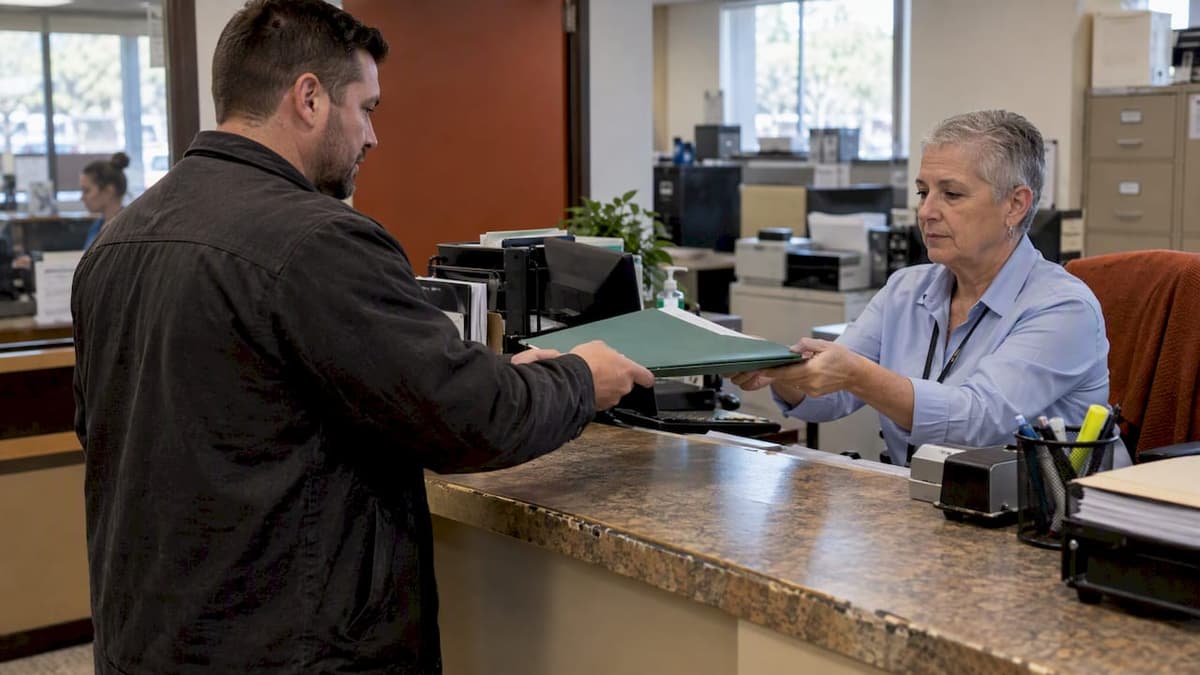

A police report can usually be amended when it contains a factual error, such as a misspelled name, wrong vehicle details, or an incorrect date. Fault determinations and officer opinions are rarely rewritten, but you can typically add your own statement to the file. The first step is to gather proof and contact the reporting agency with your report number and the officer’s name, since the exact process varies by department.
TL;DR:
- Agencies usually preserve the original and file corrections as supplements; documented factual errors are easier to fix than fault opinions, which may remain unchanged.
- Act within days to two weeks of finding an error, although no universal deadline applies; delays can cost useful evidence and an officer’s recollection.
- Send a signed, dated statement naming the report number, exact error, and corrected detail, with supporting evidence; keep a copy and request filing confirmation.
- Notify your insurer while the request is pending; if denied, attach your statement, escalate to a supervisor, and consider an attorney if it harms your claim.
Table of Contents
- How police and crash reports are structured and corrected
- Factual errors versus disputed or opinion-based findings
- How fast should you act after spotting an error?
- Step-by-step process to request a correction or add a statement
- If the department declines, here are your next steps
- Notify your insurer and preserve your evidence
- How states typically handle amended crash reports
- How CaseClosedFL can help when a correction stalls
- What accident victims consistently get wrong
- Get a free eligibility check for your accident case
- FAQ
- Sources
How police and crash reports are structured and corrected
A typical crash or police report combines objective fields (names, addresses, vehicle details, date, time, and location), a written narrative of what happened, and the officer’s professional judgment about cause or fault. Each piece carries different weight when you ask for a change.
Most agencies do not quietly rewrite a report once it has been filed. Instead, the original report stays on record, and any correction is filed as a supplement or addendum. Texas, for example, uses a dedicated “SUPPLEMENT” designation within its crash reporting software for any report that amends, revises, or corrects a previously submitted one, according to TxDOT’s CR-3 instructions. New York follows a similar model, requiring an amended report to match the original’s identifying information while describing the change in the narrative section, per NY DMV guidance.
This matters because both versions, the original and the supplement, usually remain part of the official file. For an insurance claim or a court case, that means your correction does not erase the first entry; it sits alongside it. A clear, well-documented supplement can carry real weight even if the original report is never physically altered, so the goal is to get the correction on file in a form that insurers, attorneys, and courts can see and verify.
Factual errors versus disputed or opinion-based findings
Not every mistake in a report gets treated the same way, and knowing which category yours falls into helps set realistic expectations before you contact anyone.
Factual errors are the easiest to fix. These include things like a misspelled name, a wrong license plate number, an incorrect insurance carrier, the wrong vehicle color, or a transposed address. These details are objective and verifiable, so an officer or records clerk can usually confirm and correct them once you provide supporting documentation.
Disputed facts and opinion-based findings are a different matter. If an officer records their judgment that you ran a red light, or assigns primary fault to one driver over another, that conclusion is treated as professional opinion rather than a clerical slip. Departments are typically reluctant to reverse that kind of finding, even with new evidence. According to Nolo’s consumer legal guide, objective errors are usually corrected on request, while disputed conclusions about fault or speed often remain as written, with the agency instead offering to attach your written statement as a supplement.
Before you reach out, sort your complaint into one of these two buckets. If it is a clerical detail, request a correction. If it is a matter of interpretation or fault, plan to submit a formal statement for the file rather than expecting the original finding to change.

How fast should you act after spotting an error?
There is no single legal deadline that applies everywhere, since amendment procedures are set by each department and sometimes by state agencies. That said, acting within days to two weeks of noticing the error gives you the best chance of a useful outcome.
Speed matters for a few practical reasons. An officer’s memory of the scene fades quickly, and the sooner you raise a discrepancy, the more likely they are to recall details that support your version. Evidence such as traffic camera footage, business security recordings, or witness availability can also disappear or become harder to track down after a few weeks. If you are pursuing an insurance claim, many insurers work on their own internal timelines, and a delayed correction can slow down an already-moving claims process.
To confirm your local timeline, call the records division of the agency that generated the report or check its website for crash-report procedures. Most departments list a phone number and a records request process directly on their public safety or police department page.
Step-by-step process to request a correction or add a statement
Once you know what kind of error you are dealing with, the process itself follows a fairly consistent pattern across most agencies.
- Obtain the report and identify your contact. Request a copy of the original report if you do not already have one, and note the report number, the reporting officer’s name and badge number, and the records division’s phone number or email.
- Gather objective evidence. Collect photos and video from the scene, your insurance documents, vehicle registration, medical records, and the names and phone numbers of any witnesses who can confirm your version of events.
- Contact the reporting officer or records division. Explain the specific error, ask whether it qualifies for a direct correction or requires a supplemental report, and ask what their process requires in writing.
- Submit a written statement following the department’s procedure. Keep it concise: state the date of the incident, the report number, the exact error, and the corrected information, then sign and date it. Keep a copy for your own records before submitting.
- Follow up in writing. Ask for written confirmation once the supplement or correction has been filed, and keep a log of every call, email, and letter exchanged with the department.
Pro Tip: Send your written statement by certified mail or email so you have a timestamped record of submission, even if the department also accepts in-person requests.
Departments vary in how formal this process is. Some have a dedicated amendment request form, while others ask you to write a letter addressed to the records supervisor. Either way, the goal is the same: get your evidence and your version of events attached to the file in a form the department has acknowledged receiving. If your accident falls into a category like a hit-and-run claim, an amendment often becomes necessary later, once a suspect is identified or additional facts come to light, so keeping your original documentation organized from the start pays off.
If the department declines, here are your next steps
If an officer or records division declines to change the report, you still have options, and none of them require accepting the error as final.
Start by attaching your own signed statement to the file, even if the department refuses to alter the original narrative. Keep a dated copy of what you submitted and any proof that it was received, such as a certified mail receipt or an email confirmation. This creates a paper trail that matters later, whether for your insurer or in court.
If the records clerk or officer will not cooperate, escalate the request to a records supervisor and consider filing a formal written complaint describing exactly what you asked for and how the department responded. Keep copies of every письмо, email, and note from phone calls throughout this process, since a documented pattern of good-faith attempts strengthens your position if you need outside help later.
When the report materially affects your claim, whether by assigning fault incorrectly or omitting evidence that supports your version, consulting an attorney becomes a reasonable next step. Attorneys commonly draft formal supplements on a client’s behalf, send demand letters to the department or insurer, and in some cases pursue subpoenas or litigation to compel further investigation. Court remedies do exist, but they tend to be slower and more expensive than an administrative correction, so most people only pursue them when the stakes are high enough to justify the cost.

Notify your insurer and preserve your evidence
Your insurance claim does not have to wait for the amendment process to finish. Tell your insurer as soon as you request a correction, and give them copies of whatever supplemental materials you have gathered, including photos, witness statements, or medical records.
Keep organized copies of the original report, any supplement or amendment filed afterward, and every piece of correspondence with the police department’s records division. Store photos, videos, and medical documentation in more than one place, such as a cloud backup and a printed folder, so nothing is lost if a single device fails. Secure witness contact information early, since people tend to become harder to reach as weeks pass. If you are pursuing a Florida personal injury protection claim, reviewing the steps for securing PIP benefits alongside your amendment request helps keep both processes moving in parallel instead of one holding up the other.
How states typically handle amended crash reports
Amendment procedures differ by agency, but a consistent pattern shows up across the states that publish detailed crash-reporting manuals.
- Texas’s CR-3 crash reporting system includes a dedicated “SUPPLEMENT” option specifically for reports that amend, revise, or correct an earlier submission, per TxDOT’s crash report instructions.
- New York requires an amended report to match the original report’s identifying information while noting the change in the narrative section, according to NY DMV’s amendment guidance.
- Florida’s crash manual outlines separate submission rules and timelines for short-form and long-form reports, along with the process for filing amendments with the state.
The common thread across these examples is that corrected information gets added as a supplement rather than replacing the original record. Since procedures differ by state and sometimes by individual department, check your local agency’s crash manual or records page before assuming a specific process applies to your case.
How CaseClosedFL can help when a correction stalls
If a department declines to amend a report that affects your claim, particularly one involving disputed fault or damages, connecting with an attorney is often the most direct path forward. Our free eligibility check at CaseClosedFL gathers details about your accident, including injury, fault, and any existing legal representation, before ever asking for your contact information.
Every submission goes through human review before it is matched with a participating attorney, which keeps the process private and avoids unnecessary solicitation. If you submit a request, expect a follow-up only after your case has been reviewed and found to meet the intake criteria.
What accident victims consistently get wrong
The most common mistake we see is waiting too long to raise an error, then showing up with frustration instead of documentation. Reports get corrected on the strength of evidence and a calm, specific request, not on the strength of how upset you are about the outcome.
Three habits matter more than people expect: keep every document from day one, request corrections in writing even when a phone call seems easier, and treat a declined request as a reason to escalate rather than give up. If the department will not budge and the report affects your claim, a free eligibility check is a low-commitment way to find out whether legal help makes sense for your situation.
— Luis
Get a free eligibility check for your accident case
When a police report correction stalls and it is affecting your claim, we built our eligibility check to remove the guesswork from finding legal help. It takes a few minutes, asks about your accident, injuries, and current representation, and does not require your contact information upfront.
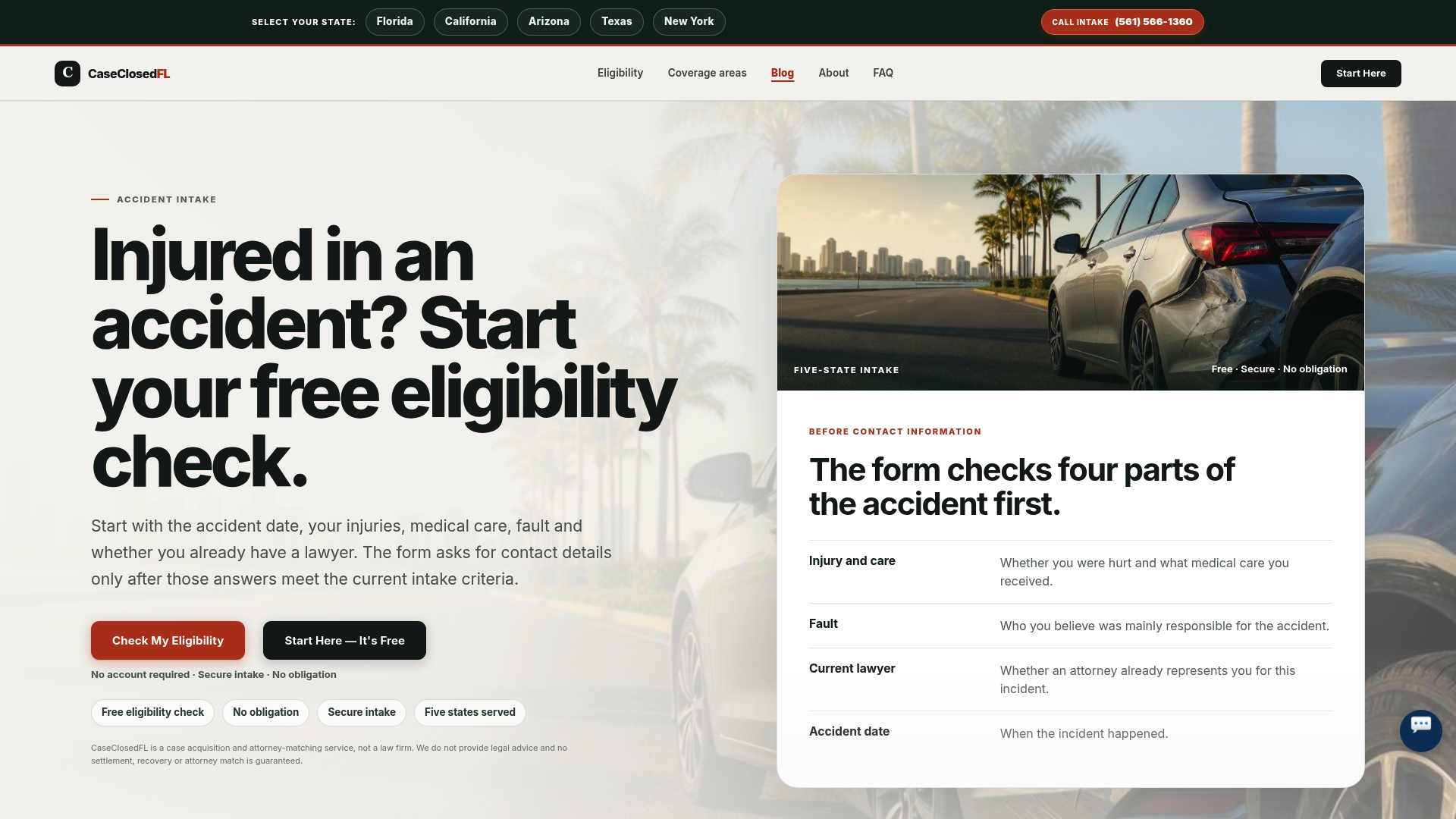
- Every submission goes through human review before any attorney match is made.
- The check does not provide legal advice and does not guarantee an attorney will take your case.
- There is no cost and no obligation to move forward after you complete it.
Start your free eligibility check today, or visit our Tampa case review page if you are located in that area.
This article is general information, not a substitute for advice from a qualified lawyer. Consult a qualified legal professional about your own circumstances before acting on anything here.
FAQ
How can I get a police report amended?
Contact the reporting agency’s records division with your report number and provide evidence such as photos, insurance documents, or witness statements that support the correction. Most departments will file your correction as a supplement or amended report rather than editing the original, as described in Nolo’s guide to disputed accident reports.
How do you fix an incorrect police report?
Factual errors like a misspelled name or wrong vehicle detail are usually corrected once you submit proof to the records division. Disputed findings, like fault determinations, are harder to change outright, but you can submit a written statement for the file.
Can I undo a police report?
You cannot erase or replace an official police report once it is filed. You can request a correction for factual errors or submit a supplemental statement that becomes part of the permanent record alongside the original.
Can a police report be inaccurate?
Yes, police reports can contain factual mistakes, such as incorrect contact information, vehicle details, or dates, since they are written quickly at the scene or shortly after. A polite, evidence-backed request to the reporting agency is the most effective way to get a factual error corrected, according to FindLaw’s guidance on changing police reports.
Sources
- Texas crash report instructions (CR‑3) — TxDOT
- NY DMV: Instructions for Amending Crash Reports (MV‑104P)
- Nolo: The police report of my car accident is wrong. Can I get it changed?
Recommended
Frequently asked questions
Table of Contents How police and crash reports are structured and corrected Factual errors versus disputed or opinion-based findings How fast should you act after spotting an error? Step-by-step process to request a correction or add a statement If the department declines, here are your next steps Notify your insurer and preserve your evidence How states typically handle amended crash reports How CaseClosedFL can help when a correction stalls What accident victims consistently get wrong Get a free eligibility check for your accident case FAQ Sources How police and crash reports are structured and corrected A typical crash or police report combines objective fields (names, addresses, vehicle details, date, time, and location), a written narrative of what happened, and the officer’s professional judgment about cause or fault. Each piece carries different weight when you ask for a change. Most agencies do not quietly rewrite a report once it has been filed. Instead, the original report stays on record, and any correction is filed as a supplement or addendum. Texas, for example, uses a dedicated “SUPPLEMENT” designation within its crash reporting software for any report that amends, revises, or corrects a previously submitted one, according to TxDOT’s CR-3 instructions . New York follows a similar model, requiring an amended report to match the original’s identifying information while describing the change in the narrative section, per NY DMV guidance . This matters because both versions, the original and the supplement, usually remain part of the official file. For an insurance claim or a court case, that means your correction does not erase the first entry; it sits alongside it. A clear, well-documented supplement can carry real weight even if the original report is never physically altered, so the goal is to get the correction on file in a form that insurers, attorneys, and courts can see and verify. Factual errors versus disputed or opinion-based findings Not every mistake in a report gets treated the same way, and knowing which category yours falls into helps set realistic expectations before you contact anyone. Factual errors are the easiest to fix. These include things like a misspelled name, a wrong license plate number, an incorrect insurance carrier, the wrong vehicle color, or a transposed address. These details are objective and verifiable, so an officer or records clerk can usually confirm and correct them once you provide supporting documentation. Disputed facts and opinion-based findings are a different matter. If an officer records their judgment that you ran a red light, or assigns primary fault to one driver over another, that conclusion is treated as professional opinion rather than a clerical slip. Departments are typically reluctant to reverse that kind of finding, even with new evidence. According to Nolo’s consumer legal guide , objective errors are usually corrected on request, while disputed conclusions about fault or speed often remain as written, with the agency instead offering to attach your written statement as a supplement. Before you reach out, sort your complaint into one of these two buckets. If it is a clerical detail, request a correction. If it is a matter of interpretation or fault, plan to submit a formal statement for the file rather than expecting the original finding to change. How fast should you act after spotting an error?
There is no single legal deadline that applies everywhere, since amendment procedures are set by each department and sometimes by state agencies. That said, acting within days to two weeks of noticing the error gives you the best chance of a useful outcome.
Step-by-step process to request a correction or add a statement Once you know what kind of error you are dealing with, the process itself follows a fairly consistent pattern across most agencies. Obtain the report and identify your contact. Request a copy of the original report if you do not already have one, and note the report number, the reporting officer’s name and badge number, and the records division’s phone number or email. Gather objective evidence. Collect photos and video from the scene, your insurance documents, vehicle registration, medical records, and the names and phone numbers of any witnesses who can confirm your version of events. Contact the reporting officer or records division. Explain the specific error, ask whether it qualifies for a direct correction or requires a supplemental report, and ask what their process requires in writing. Submit a written statement following the department’s procedure. Keep it concise: state the date of the incident, the report number, the exact error, and the corrected information, then sign and date it. Keep a copy for your own records before submitting. Follow up in writing. Ask for written confirmation once the supplement or correction has been filed, and keep a log of every call, email, and letter exchanged with the department. Pro Tip: Send your written statement by certified mail or email so you have a timestamped record of submission, even if the department also accepts in-person requests. Departments vary in how formal this process is. Some have a dedicated amendment request form, while others ask you to write a letter addressed to the records supervisor. Either way, the goal is the same: get your evidence and your version of events attached to the file in a form the department has acknowledged receiving. If your accident falls into a category like a hit-and-run claim , an amendment often becomes necessary later, once a suspect is identified or additional facts come to light, so keeping your original documentation organized from the start pays off. If the department declines, here are your next steps If an officer or records division declines to change the report, you still have options, and none of them require accepting the error as final. Start by attaching your own signed statement to the file, even if the department refuses to alter the original narrative. Keep a dated copy of what you submitted and any proof that it was received, such as a certified mail receipt or an email confirmation. This creates a paper trail that matters later, whether for your insurer or in court. If the records clerk or officer will not cooperate, escalate the request to a records supervisor and consider filing a formal written complaint describing exactly what you asked for and how the department responded. Keep copies of every письмо, email, and note from phone calls throughout this process, since a documented pattern of good-faith attempts strengthens your position if you need outside help later. When the report materially affects your claim, whether by assigning fault incorrectly or omitting evidence that supports your version, consulting an attorney becomes a reasonable next step. Attorneys commonly draft formal supplements on a client’s behalf, send demand letters to the department or insurer, and in some cases pursue subpoenas or litigation to compel further investigation. Court remedies do exist, but they tend to be slower and more expensive than an administrative correction, so most people only pursue them when the stakes are high enough to justify the cost. Notify your insurer and preserve your evidence Your insurance claim does not have to wait for the amendment process to finish. Tell your insurer as soon as you request a correction, and give them copies of whatever supplemental materials you have gathered, including photos, witness statements, or medical records. Keep organized copies of the original report, any supplement or amendment filed afterward, and every piece of correspondence with the police department’s records division. Store photos, videos, and medical documentation in more than one place, such as a cloud backup and a printed folder, so nothing is lost if a single device fails. Secure witness contact information early, since people tend to become harder to reach as weeks pass. If you are pursuing a Florida personal injury protection claim, reviewing the steps for securing PIP benefits alongside your amendment request helps keep both processes moving in parallel instead of one holding up the other. How states typically handle amended crash reports Amendment procedures differ by agency, but a consistent pattern shows up across the states that publish detailed crash-reporting manuals. Texas’s CR-3 crash reporting system includes a dedicated “SUPPLEMENT” option specifically for reports that amend, revise, or correct an earlier submission, per TxDOT’s crash report instructions. New York requires an amended report to match the original report’s identifying information while noting the change in the narrative section, according to NY DMV’s amendment guidance. Florida’s crash manual outlines separate submission rules and timelines for short-form and long-form reports, along with the process for filing amendments with the state. The common thread across these examples is that corrected information gets added as a supplement rather than replacing the original record. Since procedures differ by state and sometimes by individual department, check your local agency’s crash manual or records page before assuming a specific process applies to your case. How CaseClosedFL can help when a correction stalls If a department declines to amend a report that affects your claim, particularly one involving disputed fault or damages, connecting with an attorney is often the most direct path forward. Our free eligibility check at CaseClosedFL gathers details about your accident, including injury, fault, and any existing legal representation, before ever asking for your contact information. Every submission goes through human review before it is matched with a participating attorney, which keeps the process private and avoids unnecessary solicitation. If you submit a request, expect a follow-up only after your case has been reviewed and found to meet the intake criteria. What accident victims consistently get wrong The most common mistake we see is waiting too long to raise an error, then showing up with frustration instead of documentation. Reports get corrected on the strength of evidence and a calm, specific request, not on the strength of how upset you are about the outcome. Three habits matter more than people expect: keep every document from day one, request corrections in writing even when a phone call seems easier, and treat a declined request as a reason to escalate rather than give up. If the department will not budge and the report affects your claim, a free eligibility check is a low-commitment way to find out whether legal help makes sense for your situation. — Luis Get a free eligibility check for your accident case When a police report correction stalls and it is affecting your claim, we built our eligibility check to remove the guesswork from finding legal help. It takes a few minutes, asks about your accident, injuries, and current representation, and does not require your contact information upfront. Every submission goes through human review before any attorney match is made. The check does not provide legal advice and does not guarantee an attorney will take your case. There is no cost and no obligation to move forward after you complete it. Start your free eligibility check today, or visit our Tampa case review page if you are located in that area. This article is general information, not a substitute for advice from a qualified lawyer. Consult a qualified legal professional about your own circumstances before acting on anything here. FAQ How can I get a police report amended?
Contact the reporting agency’s records division with your report number and provide evidence such as photos, insurance documents, or witness statements that support the correction. Most departments will file your correction as a supplement or amended report rather than editing the original, as described in Nolo’s guide to disputed accident reports.
How do you fix an incorrect police report?
Factual errors like a misspelled name or wrong vehicle detail are usually corrected once you submit proof to the records division. Disputed findings, like fault determinations, are harder to change outright, but you can submit a written statement for the file.
Can I undo a police report?
You cannot erase or replace an official police report once it is filed. You can request a correction for factual errors or submit a supplemental statement that becomes part of the permanent record alongside the original.
Can a police report be inaccurate?
Yes, police reports can contain factual mistakes, such as incorrect contact information, vehicle details, or dates, since they are written quickly at the scene or shortly after. A polite, evidence-backed request to the reporting agency is the most effective way to get a factual error corrected, according to FindLaw’s guidance on changing police reports .
Ready to enter the accident details?
The eligibility form asks about the accident, injury, treatment, fault and representation before contact information.
Start Eligibility Check